
Crystal Glassware Care: How to Wash, Polish, Store, and Keep Crystal for Generations
Crystal glassware care from craftsmen who make it: how to wash, polish, and store crystal glasses, fix cloudiness, and keep stemware brilliant for decades.
14 expert articles, one definitive guideCare for crystal glassware by hand-washing in warm water with mild detergent, drying immediately with a lint-free microfiber cloth while holding the bowl rather than the stem, and storing glasses upright with space between them. Avoid dishwashers, sudden temperature changes, and twisting the stem during drying.
A hand-blown crystal glass is one of the few objects in a modern home built to outlive its owner. The material itself does not wear out; what shortens a glass's life is almost always handling — a hot dishwasher cycle, a careless twist while drying, a crowded cabinet shelf. Which means longevity is not luck. It is a small set of habits, learned once and repeated.
This guide is the full discipline of crystal care, organized the way a glassmaker would teach it: first understand what crystal actually is and why it behaves differently from ordinary glass, then learn the washing and polishing routines that protect it, then the storage, display, and transport methods that prevent the accidents that end most glasses, and finally how to judge damage honestly when it happens.
Every section links to a deeper standalone article, so you can read this page as a complete primer or use it as a map. The advice applies to all fine crystal, but it is written specifically for lead-free, hand-blown stemware of the kind we make — thin rims, pulled stems, and walls measured in fractions of a millimeter.
What Makes Crystal Crystal — and Why It Needs Different Care
Crystal is not a separate mineral; it is glass with its chemistry altered for optical performance. Traditional crystal replaced part of the silica with lead oxide, which raises the refractive index — light bends and disperses more as it passes through, producing the fire and sparkle ordinary soda-lime glass cannot match. Modern luxury crystal achieves the same brilliance with barium, zinc, or potassium oxides instead of lead, which matters because lead can leach into wine and spirits during long contact. Every Luxrify glass is lead-free crystal: the same clarity and ring, none of the compromise.
Those same properties explain the care rules. Crystal is slightly softer than common glass, so abrasive sponges and harsh detergents scratch and dull it where they would not mark a tumbler. Its fine structure also gives it the sustained musical ring you hear when you tap the rim — a quick acoustic test of authenticity. And in hand-blown crystal, the walls are drawn far thinner than any machine can press, which is exactly what makes wine taste better from the glass and exactly why it rewards a gentler hand at the sink.
Crystal vs Glass: The Real Difference (and Why It Matters in 2026)
The composition, weight, clarity, and sound differences, and how to identify crystal in your hand.
Read the articleLead-Free Crystal Wine Glasses: Why They're Better for You
Why lead-free crystal delivers full brilliance without the leaching risk of leaded glass.
Read the articleWhy Crystal Wine Glasses Ring: The Science of Sound
The physics behind crystal resonance and what that ring reveals about quality.
Read the articleHand-Blown vs Machine-Made Wine Glasses: Is the Premium Worth It? (2026 Guide)
What hand craftsmanship changes in rim, weight, and drinking experience, and when it justifies the price.
Read the articleWashing Crystal the Right Way
The single most consequential decision in crystal care is how you wash it. Hand washing wins, and not by a small margin. Use warm — never hot — water, a drop of mild, fragrance-free detergent, and your bare hand or a soft cloth inside the bowl. Cradle the bowl in your palm; never grip the bowl and twist the stem in opposite directions, because torque at the stem-bowl junction is the most common cause of a clean snap. Rinse in water of the same temperature, since thermal shock from a sudden change can crack thin walls invisibly before it breaks them visibly.
Dishwashers fail crystal on three counts: heat that stresses the glass, harsh alkaline detergents that permanently etch the surface, and rack contact that chips rims during the cycle. Some machine-made crystal tolerates a delicate cycle; hand-blown stemware should never see one. The full washing routine takes about ninety seconds per glass — set a folded towel beside the sink to pad the basin, wash stemware first while the water is cleanest, and dry immediately rather than air-drying, which invites spots and film.
How to Wash Crystal Glasses: Hand Wash vs Dishwasher
Step-by-step hand-washing method, plus an honest verdict on the dishwasher question.
Read the articleThe Complete Guide to Caring for Crystal Glassware
The complete care routine in one place, including the mistakes that ruin most crystal.
Read the articlePolishing and Keeping Crystal Brilliant
A properly polished crystal glass should disappear — no streaks, no lint, no haze between the wine and the light. The professional method is steam and microfiber: hold the glass over steaming water for a few seconds, then polish with two lint-free cloths, one hand cupping the base of the bowl, the other working the cloth inside and out. Never hold the foot and polish the bowl with pressure; that puts the entire force through the stem. Reserve your polishing cloths for glassware only, and wash them without fabric softener, which leaves a film that smears.
Cloudiness has two distinct causes, and diagnosing which one you have matters. Hard-water mineral deposits sit on the surface and dissolve with white vinegar — soak, rinse, polish, done. Etching is different: dishwasher detergent and soft water gradually corrode the glass surface itself, leaving permanent micro-pitting that no soak will reverse. Run a vinegar test on a cloudy glass; if the haze survives, it is etching, and the only cure is prevention on your remaining pieces. Water spots caught early respond to the same vinegar-and-microfiber treatment, which is why drying immediately after washing remains the cheapest polish there is.
How to Polish Crystal Glassware to a Perfect Shine
The steam-and-microfiber technique for a streak-free, professional finish.
Read the articlePreventing Cloudy Wine Glasses: Causes and Solutions
Diagnose hard-water film versus permanent etching, and stop both before they start.
Read the articleHow to Remove Water Spots from Crystal Glasses
Proven household methods that dissolve spots and film without scratching the crystal.
Read the articleStoring, Displaying, and Transporting Crystal Safely
Most crystal does not break in use; it breaks in storage and transit. Store stemware upright on a stable shelf — resting a glass on its rim concentrates the glass's weight on its thinnest, most vulnerable edge and traps stale air in the bowl. Leave a finger's width between glasses so they cannot ring against each other when the cabinet door closes. Hanging racks are acceptable for everyday machine-made stems but risky for fine crystal: the rack grips the foot while gravity loads the stem joint, and a bumped glass swings into its neighbors.
Display is storage you can see, and good display is also protective. A closed-door cabinet keeps dust and kitchen grease off the glass, which means less washing and less handling — the two activities where damage happens. Position crystal where light passes through it rather than just onto it, and keep it away from speaker cabinets and slamming drawers; vibration walks glasses across a shelf over months. When crystal must travel, whether across town or across the country, the zero-breakage standard is individual wrapping, vertical packing with the stems padded, and a double-boxed carton — a few dollars of paper protecting glasses that cannot be remade.
Storing Wine Glasses Properly: Hanging, Shelving, and More
Upright versus hanging versus shelving, and the spacing rules that prevent chips.
Read the articleHow to Display Your Crystal Collection: Shelf and Cabinet Ideas
Cabinet, shelf, and lighting ideas that showcase crystal while protecting it.
Read the articleHow to Pack Wine Glasses for Moving: The Zero-Breakage Method (2026)
The step-by-step zero-breakage packing method for moves and shipping.
Read the articleLongevity, Damage, and the Repair-or-Replace Decision
Cared for correctly, crystal glassware has no expiration date. The glass itself is chemically stable for centuries — estate-sale crystal from the 1920s pours as well today as it did new. What ages a glass is accumulated surface damage: etching from detergents, scratches from abrasives, micro-chips from careless stacking. A glass that is hand-washed, dried promptly, and stored with space around it will look identical at year twenty to year one. This is why fine crystal is bought once and inherited, not replaced on a cycle.
Be honest about damage when it occurs. A tiny rim chip can sometimes be professionally ground and re-polished, lowering the glass a millimeter or two — worthwhile for sentimental or discontinued pieces. A crack is different: cracks propagate under thermal and mechanical stress, and a cracked glass can fail in the hand without warning. Retire it. Never drink from a chipped rim; the edge is sharp and the chip is a crack waiting to start. The mature collector's view is that occasional loss is part of using beautiful things, which is also the argument for buying crystal from a maker who will still be producing your glass when you need one more.
How Long Do Crystal Glasses Last? A Longevity Guide
What actually determines crystal lifespan, and the habits that stretch it to decades.
Read the articleWine Glass Chips and Cracks: When to Repair vs Replace
When a chipped or cracked glass can be saved, and when safety says replace it.
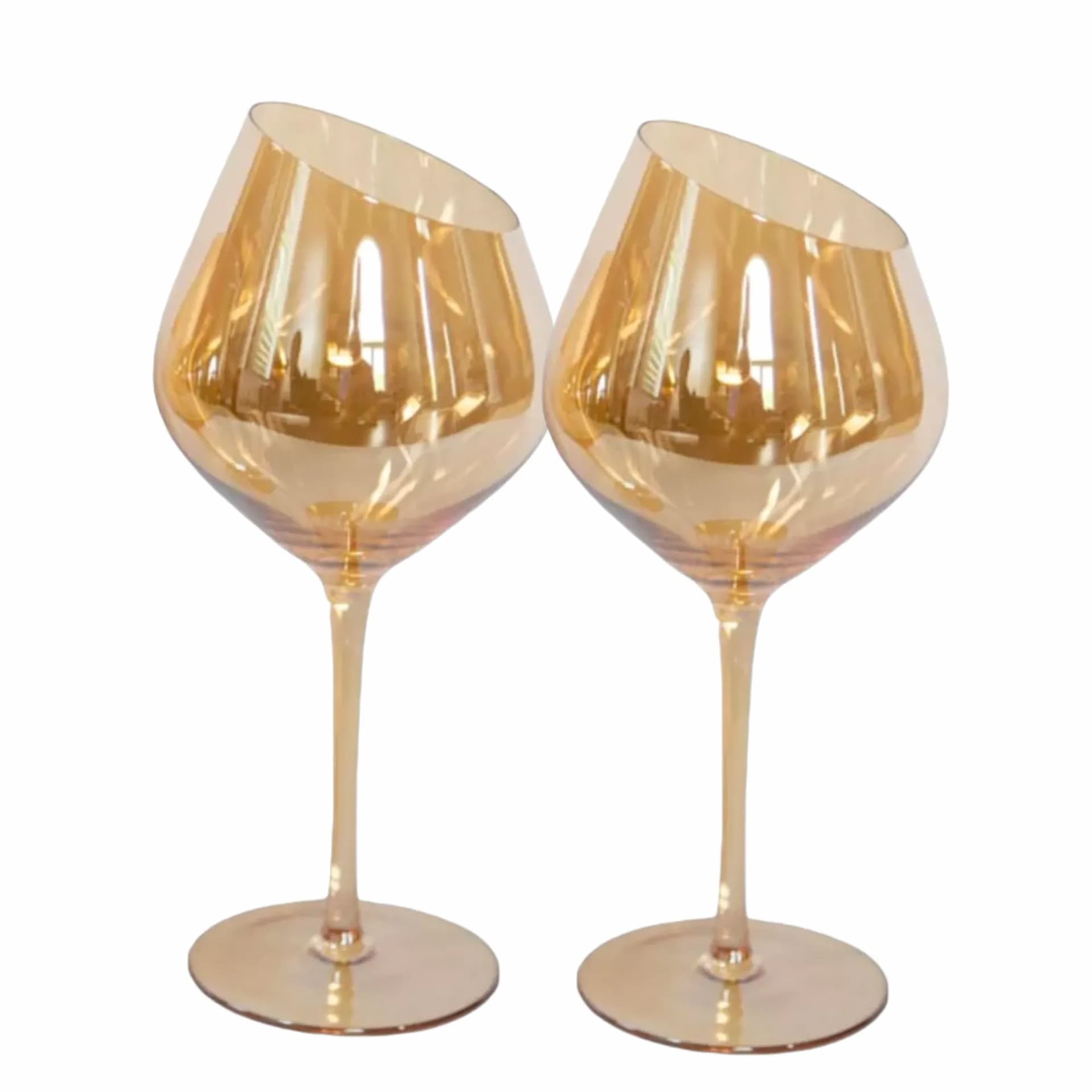
Read the articleThe Glasses Behind This Guide
Hand-blown by Luxrify artisans. Lead-free crystal. Free US shipping on every order.

Frequently Asked Questions
Can crystal glasses go in the dishwasher?
Hand-blown crystal should never go in the dishwasher. The heat stresses thin walls, alkaline detergents permanently etch the surface, and rack contact chips rims. Some sturdier machine-made crystal tolerates a delicate cycle, but hand washing in warm water with mild detergent is the only method that protects fine crystal long term.
Why do my crystal glasses look cloudy?
Cloudiness is either hard-water mineral film, which dissolves with a white vinegar soak, or etching, which is permanent surface corrosion caused by dishwasher detergent. Soak a cloudy glass in vinegar for fifteen minutes; if the haze remains after rinsing and polishing, it is etching and cannot be reversed.
How should I dry crystal glasses without streaks?
Dry immediately after rinsing using a lint-free microfiber cloth washed without fabric softener. Cup the bowl in one palm and polish gently with the other hand, never twisting the bowl against the stem. For a flawless finish, hold the glass briefly over steam before the final polish.
Is it safe to drink from a chipped crystal glass?
No. A chipped rim is sharp enough to cut, and the chip concentrates stress that often grows into a crack. Small rim chips on valuable pieces can sometimes be professionally ground and re-polished, but any glass with a visible crack should be retired immediately because cracks spread without warning.
Should wine glasses be stored upright or upside down?
Store crystal stemware upright. Resting a glass on its rim places its weight on the thinnest, most fragile edge and traps stale air inside the bowl. Leave roughly a finger's width between glasses on the shelf so they cannot knock together, and keep them behind closed doors to limit dust.