
The Art of Entertaining at Home: Your Complete Home Entertaining Guide
The definitive home entertaining guide. How to host a dinner party, build a home bar, set a beautiful table, and pair wine with confidence.
31 expert articles, one definitive guideTo host a dinner party at home, plan the menu and drinks three days ahead, set the table the night before, prep everything you can in advance, and serve wine in proper crystal stemware. The goal is to finish the work before guests arrive so you can be present, not performing.
Great hosting is not a performance. It is a set of learnable decisions, made in advance, that lets you pour a glass and actually sit down with the people you invited. The hosts everyone remembers are rarely the ones with the most elaborate menus; they are the ones whose tables felt considered, whose drinks were served in the right glass at the right temperature, and who seemed unhurried because the real work was finished before the doorbell rang.
This home entertaining guide gathers everything we have written about hosting into one reading path: the fundamentals of how to host a dinner party, the home bar that serves it, the table that frames it, the wine pairings that carry the meal, and the seasonal occasions that give you a reason to gather in the first place.
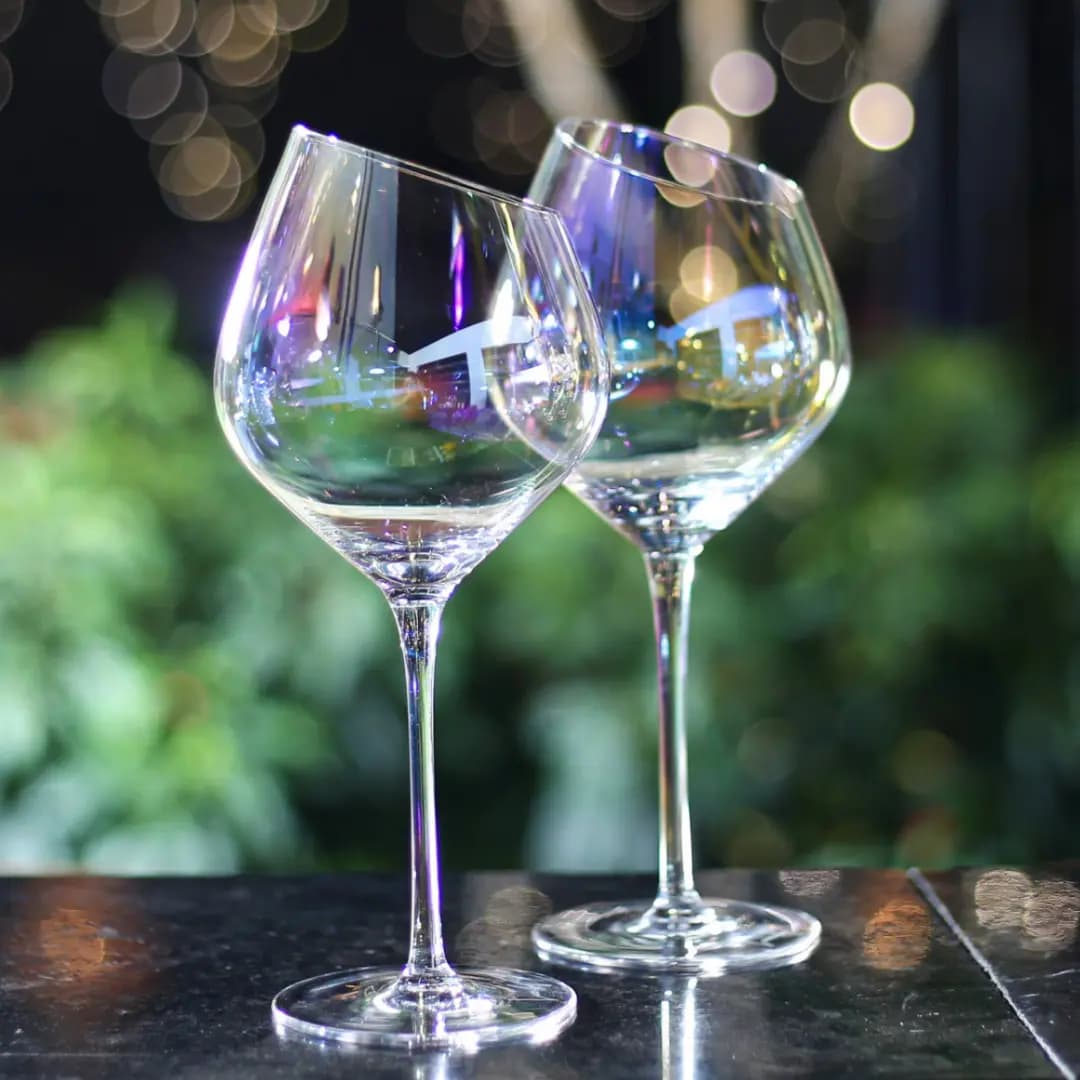
Throughout, you will notice one recurring theme. Glassware is the most visible, most handled object at any gathering. A guest may never touch your serving platters, but they will hold their glass all evening. Hand-blown crystal, with its thin rim and clear ring, quietly tells people the evening matters. Start there, and much of the rest follows.
Hosting Fundamentals: How to Host Without Losing Your Evening
Every successful gathering, from a six-person dinner to a forty-person cocktail party, runs on the same skeleton: a guest count that fits your space, a menu where most dishes are made ahead, a drinks plan with one signature pour, and a timeline that puts you in clean clothes thirty minutes before arrival. Write the timeline backward from the moment guests walk in. If a dish requires your full attention during the party, cut it. Restaurant cooks call this mise en place; hosts should call it survival. Count your glassware before you count your chairs, since a wine dinner for eight needs at least sixteen stems once you account for a white and a red course.
Format matters as much as effort. A wine and cheese night or a structured tasting asks far less of the kitchen than a plated dinner and often produces better conversation, because the table itself becomes the activity. A weekend brunch buys you daylight and forgiving food. A romantic dinner for two is the hardest format of all, because there is nowhere to hide, which is exactly why it rewards planning every detail. Pick the format that suits your energy, then execute it completely rather than attempting a grander one halfway.
Cocktail Party Essentials: Everything You Need to Host
The full checklist for a cocktail party, from bar setup and glassware counts to timing.
Read the articleThe Ultimate Brunch Hosting Guide: Menu, Drinks, and Decor
Menu planning, drink pairings, and decor for an effortless weekend brunch.
Read the articleHow to Plan a Romantic Dinner at Home: Every Detail
Plan an intimate dinner for two that rivals a fine restaurant.
Read the articleHow to Host a Wine and Cheese Night: The Complete Guide
Pairings, glassware, and hosting flow for an easy, elegant tasting night.
Read the articleHow to Host an Elegant Wine Tasting at Home
A step-by-step plan for hosting a structured wine tasting at home.
Read the articleWine Tasting Party Scorecard: Free Printable Template
Free printable scorecard that turns a tasting into a party game.
Read the articleThe Home Bar: Build It Once, Use It for Years
A working home bar is a small number of correct decisions, not a wall of bottles. Six spirits, three bitters, fresh citrus, and proper ice will cover ninety percent of requests. Glassware is where most home bars actually fail: cocktails built with care and then poured into thick tumblers lose half their effect. You need rocks glasses with real weight in the base, coupes or martini glasses with rims thin enough to drink from comfortably, and highballs for anything lengthened with soda. Crystal earns its place here because spirits are visual; the clarity and cut of the glass is part of the drink.
How you display the bar shapes how often you use it. A styled bar cart in the living room invites a nightcap; the same bottles hidden in a cabinet do not. The minimalist approach, fewer and better pieces arranged with deliberate space around them, almost always looks more expensive than abundance. If wine is your focus rather than spirits, the same logic applies to a dedicated wine bar: correct storage temperature, stems within reach, and a surface to pour on. Build the version that matches what you actually drink.
Best Glasses for Cocktails at Home: A Complete Guide
Which cocktail glasses you actually need and how each shape serves the drink.
Read the articleBar Cart Styling Ideas: Create an Instagram-Worthy Display
Styling principles that turn bottles and glassware into a designed display.
Read the articleMinimalist Home Bar Ideas: Less Is More Luxury
How restraint and a few quality pieces make a stronger home bar.
Read the articleHow to Set Up a Wine Bar at Home: Storage, Display, and Style
Storage, display, and styling for a dedicated home wine bar.
Read the articleTable Settings and Decor: The Frame Around the Meal
A table setting is a signal sent before the first course arrives. The mechanics are simple and worth memorizing: forks left, knives right with blades facing the plate, glasses above the knife tip arranged in pouring order with the water glass closest to the guest. Wine glasses go to the right of water, white before red if both will be poured. Once the mechanics are automatic, the styling decisions become the interesting part: cloth napkins always, candles below or above eye line so they never block conversation, and a centerpiece low enough to talk over. Crystal stems do real work here, catching candlelight and giving even a weeknight table vertical sparkle.
Beyond the table itself, glassware has become a legitimate decor category. Open kitchen shelving lined with well-spaced stems, a cabinet of colored glass arranged by tone, a few sculptural decanters on a sideboard: these are the details designers now reach for, and they cost far less than new furniture. The current direction in dining rooms favors warmth, texture, and artisan objects over matched sets, which suits hand-blown glass perfectly since no two pieces are identical. Treat your glassware as both tool and display, and your dining room improves on the nights you are not entertaining at all.
Dinner Party Table Setting Guide: From Casual to Formal
Place settings from casual to formal, including exact glassware placement.
Read the articleTablescape Ideas for Every Season: Spring to Winter
Seasonal tablescape inspiration for spring, summer, fall, and winter.
Read the articleKitchen Open Shelving with Glassware: Design Tips
Arrangement, spacing, and selection tips for displaying glassware on open shelves.
Read the articleColored Glassware in Interior Design: A Designer's Guide
A designer's guide to choosing and displaying tinted crystal at home.
Read the articleDining Room Decor Trends 2026: What's In and What's Out
What designers are embracing and retiring in dining rooms this year.
Read the articleWine Pairings: Carry the Meal with Confidence
Pairing wine is less mysterious than the literature suggests. Two principles do most of the work: match the weight of the wine to the weight of the food, and either echo a flavor or contrast it deliberately. A ribeye wants the tannin of Cabernet to cut through fat; oysters want the saline snap of Muscadet or Chablis; a cream-sauce pasta wants the body of Chardonnay while a marinara wants the acid of Sangiovese. Even casual food rewards the exercise. Pizza with Zinfandel is a better Tuesday than pizza with whatever was open. Keep a few reference pairings memorized and you can improvise the rest.
Dessert is where most hosts stop pairing, and it is the easiest place to look skilled. The only rule that matters: the wine must be at least as sweet as the dish, or it will taste thin and bitter beside it. Sauternes with blue cheese, tawny Port with dark chocolate, Moscato d Asti with fruit. Serve dessert wines in smaller pours and smaller glasses, around 3 ounces, and slightly cooler than you would serve a dry white. A meal that ends with a considered sweet wine is remembered as a complete experience rather than a good dinner.
Cheese and Wine Pairing Chart: The Complete Reference
The complete reference chart matching every cheese style to its wine.
Read the articleWine Pairing for Steak: The Definitive Guide
The right wine for every steak cut, from ribeye to filet.
Read the articleWine Pairing for Seafood: From Oysters to Lobster
Pairings for every kind of seafood, from oysters to lobster.
Read the articleWine Pairing for Pasta: Italian Night Done Right
Match wine to marinara, carbonara, pesto, and every Italian night.
Read the articleWine Pairing for Pizza: Beyond Beer
Why wine beats beer with pizza, style by style.
Read the articleWine and Chocolate Pairing: A Match Made in Heaven
From dark chocolate and Cabernet to white chocolate and Moscato.
Read the articleDessert Wine Guide: Sweet Wines and What to Serve Them In
Sauternes, Port, and Ice Wine, with serving and glassware advice.
Read the articleOutdoor Entertaining: Bringing the Table Outside
Outdoor entertaining fails for predictable reasons: wind, heat, insects, and nowhere to set a glass. Solve those four and a backyard dinner outperforms most dining rooms. Anchor linens with weight rather than hope, plan shade for late afternoon sun, cover food until serving, and put small tables within reach of every seat. Drinks need their own logistics outside; whites and rosé warm roughly two degrees every ten minutes in summer air, so an ice bucket at the table is not a luxury but equipment. Stemless glasses earn their keep on uneven patio tables, while traditional stems keep body heat off chilled wine. Choose based on your surface, not on fashion.
The reward for that planning is atmosphere no indoor room can fake. String lights at dusk, real glass instead of plastic, a long table under open sky: these details make an ordinary Saturday feel like a destination. A rosé-centered wine party is the easiest summer format, since the wine itself is the theme and the food can stay cold. If you entertain outside more than twice a season, it is worth owning a set of durable, dishwasher-safe crystal designated for the patio, so you never face the choice between risking your best stems and serving good wine in plastic.
Outdoor Dining Ideas: Create a Backyard Restaurant Experience
Turn a backyard into a restaurant-grade dining experience.
Read the articleSummer Outdoor Entertaining Tips: Glassware That Works Outside
Glassware and hosting tactics that survive heat, wind, and patios.
Read the articleSummer Wine Party Ideas: Rosé All Day
A rosé-centered plan for chilled wine service and seasonal pairings.
Read the articleHolidays and Occasions: Hosting the Days That Matter
Holiday hosting is ordinary hosting under higher stakes and tighter scheduling, which is why the timeline becomes the whole game. Thanksgiving and a December dinner party both reward working backward from a written checklist: guest list four weeks out, table plan and glassware count two weeks out, every make-ahead dish done before the day itself. New Year's Eve adds one non-negotiable ritual, the midnight toast, and that is a glassware moment above all; pouring Champagne into proper crystal flutes at the year's turn is the single highest-leverage upgrade in all of holiday entertaining. For the table itself, holidays are when your best pieces should be out and working, not stored for an occasion that never feels special enough.
Not every occasion involves a corkscrew. A baby shower runs on mocktails that deserve the same beautiful glass as any cocktail, and an engagement party calls for gifts that mark a beginning, which is why crystal flutes have become the default present for newly engaged couples. Even game day, the most casual entry on the calendar, improves dramatically when you treat it as real hosting: a proper whiskey pour, food beyond wings, and glass instead of cans. The throughline across all of these is respect for the occasion, expressed through detail. Guests always notice.
Holiday Dinner Party Planning: A Timeline Checklist
A week-by-week timeline checklist from four weeks out to the final hour.
Read the articleThanksgiving Table Setting Ideas: Warm and Elegant
Warm, elegant Thanksgiving table ideas from linens to place settings.
Read the articleNew Year's Eve Party Planning: From Champagne to Countdown
Champagne selection, decor, and midnight toast essentials.
Read the articleGame Day Entertaining: Elevate Beyond Beer and Wings
Craft cocktails, premium whiskey, and food beyond beer and wings.
Read the articleBaby Shower Hosting Tips: Mocktails in Beautiful Glassware
Creative mocktails and beautiful glassware for celebrating parents-to-be.
Read the articleEngagement Party Gifts: Toast to Their Love
Crystal flutes and glassware gifts that toast a new chapter.
Read the articleThe Glasses Behind This Guide
Hand-blown by Luxrify artisans. Lead-free crystal. Free US shipping on every order.


Frequently Asked Questions
How do I host a dinner party without stress?
Plan backward from arrival time. Choose a menu where most dishes are made ahead, set the table the night before, chill wine that afternoon, and finish all kitchen work thirty minutes early. A host who is seated and relaxed matters more to guests than any individual dish.
How many wine glasses do I need to entertain at home?
For dinners of six to eight, own at least twelve to sixteen stems so you can pour a white and a red course without washing mid-meal. Add a set of flutes for toasts and a few rocks glasses for spirits, and you can host nearly any format.
Where do wine glasses go in a table setting?
Glasses sit above the dinner knife on the right side of the plate. The water glass goes closest to the guest, with wine glasses to its right in pouring order, white wine before red. Remove stems as courses end rather than crowding the setting.
What should every home bar have?
Six core spirits, bitters, fresh citrus, good ice, and correct glassware: weighted rocks glasses, thin-rimmed coupes, and highballs. Quality crystal matters more than bottle count, since the glass is the part of the drink your guests see and hold all evening.
What is the easiest party format for a first-time host?
A wine and cheese night. It needs no cooking, scales from four to twelve guests, and the pairings themselves provide the entertainment. Offer three wines and five cheeses, pour in proper stems, and let a printed pairing chart guide the conversation.