How to Care for Crystal Glassware
The complete care routine from this guide, condensed into the steps that keep crystal brilliant for decades.
| Step | What to Do |
|---|---|
| 1. Prepare the sink | Line it with a rubber mat or folded towel and fill with warm (not hot) water |
| 2. Add detergent | A few drops of mild, unscented dish soap — no degreasers or moisturizers |
| 3. Wash one at a time | Hold the bowl, not the stem; never twist bowl against stem |
| 4. Rinse thoroughly | Warm running water until all soap residue is gone |
| 5. Dry immediately | Lint-free microfiber cloth; never let crystal air dry |
| 6. Polish | Two-cloth method, or steam over a kettle and polish streak-free |
| 7. Store upright | Bases down, space between glasses, in a closed cabinet away from heat |
Why Crystal Care Matters
Fine crystal glassware is an investment in how you experience wine, spirits, and celebrations. Unlike everyday dishes that you replace without a second thought, quality crystal can serve you beautifully for decades if treated with the right care. The difference between crystal that remains brilliant after years of use and crystal that clouds, chips, or loses its luster almost always comes down to how it is washed, dried, and stored.
This guide covers everything you need to know to keep your crystal stemware in pristine condition, from daily washing routines to long-term storage solutions.
Hand Washing: The Gold Standard
Hand washing is the gentlest and most reliable way to care for crystal glassware. While many modern lead-free crystal glasses are technically dishwasher safe, hand washing gives you the most control and minimizes risk.
Step-by-Step Hand Washing
Step 1: Prepare your sink. Place a soft rubber mat or folded towel at the bottom of your sink. This provides a cushion that prevents the glass from striking the hard basin surface, which is the most common cause of chips and cracks during washing.
Step 2: Use warm water. Fill the sink with warm water, not hot. Extreme temperature changes can stress crystal and, in rare cases, cause thermal shock. If you have been serving chilled white wine, let the glass come to room temperature before washing.
Step 3: Add a small amount of mild detergent. Use a gentle, unscented dish soap. A few drops are sufficient. Avoid heavy-duty degreasers or detergents with added moisturizers, as these can leave a film on the glass surface.
Step 4: Wash one glass at a time. Hold the glass by the bowl, not the stem, and gently clean the interior and exterior with a soft sponge or cloth. Never twist the bowl while holding the stem, as this twisting motion puts stress on the joint between bowl and stem, the most vulnerable point on any wine glass.
Step 5: Rinse thoroughly. Rinse each glass under warm running water to remove all soap residue. Even a thin film of detergent can affect the way wine interacts with the glass surface and may dull the crystal's clarity over time.
Step 6: Dry immediately. This is perhaps the most important step. Do not let crystal air dry. Water spots form as minerals in tap water are left behind during evaporation, and they can etch into the surface if allowed to accumulate over time.
Drying and Polishing Techniques
Proper drying is what separates crystal that sparkles from crystal that looks tired.
Choosing the Right Cloth
Use a lint-free microfiber cloth or a dedicated glass polishing cloth. Avoid terry cloth towels, paper towels, or any fabric that sheds fibers. Lint on a crystal glass is immediately visible and frustrating to remove.
The Two-Cloth Method
Professional sommeliers and glassware experts often use two cloths. Hold the base of the glass with one cloth while polishing the bowl with the other. This prevents fingerprints on the areas you have already polished and gives you a secure grip.
Steam Polishing
For an extra level of brilliance, try steam polishing. Hold the glass over a pot of boiling water or a kettle until the bowl fogs with steam, then immediately polish with your lint-free cloth. The steam loosens any remaining residue and allows the cloth to glide smoothly, leaving a perfectly streak-free surface.
Be careful with this technique. Hold the glass firmly, as steam makes surfaces slippery, and avoid prolonged exposure to concentrated steam, which could cause thermal stress.
Dishwasher Guidelines
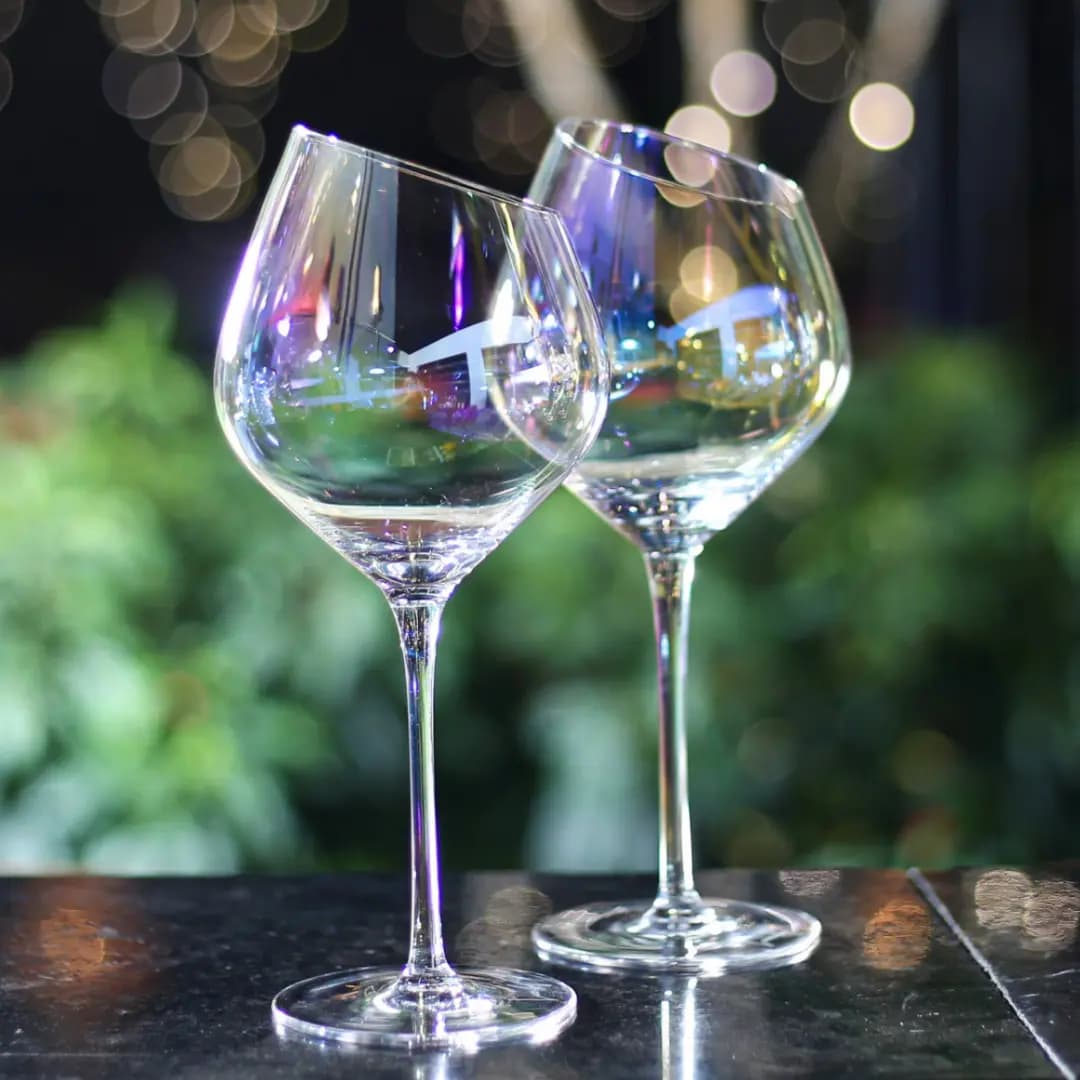
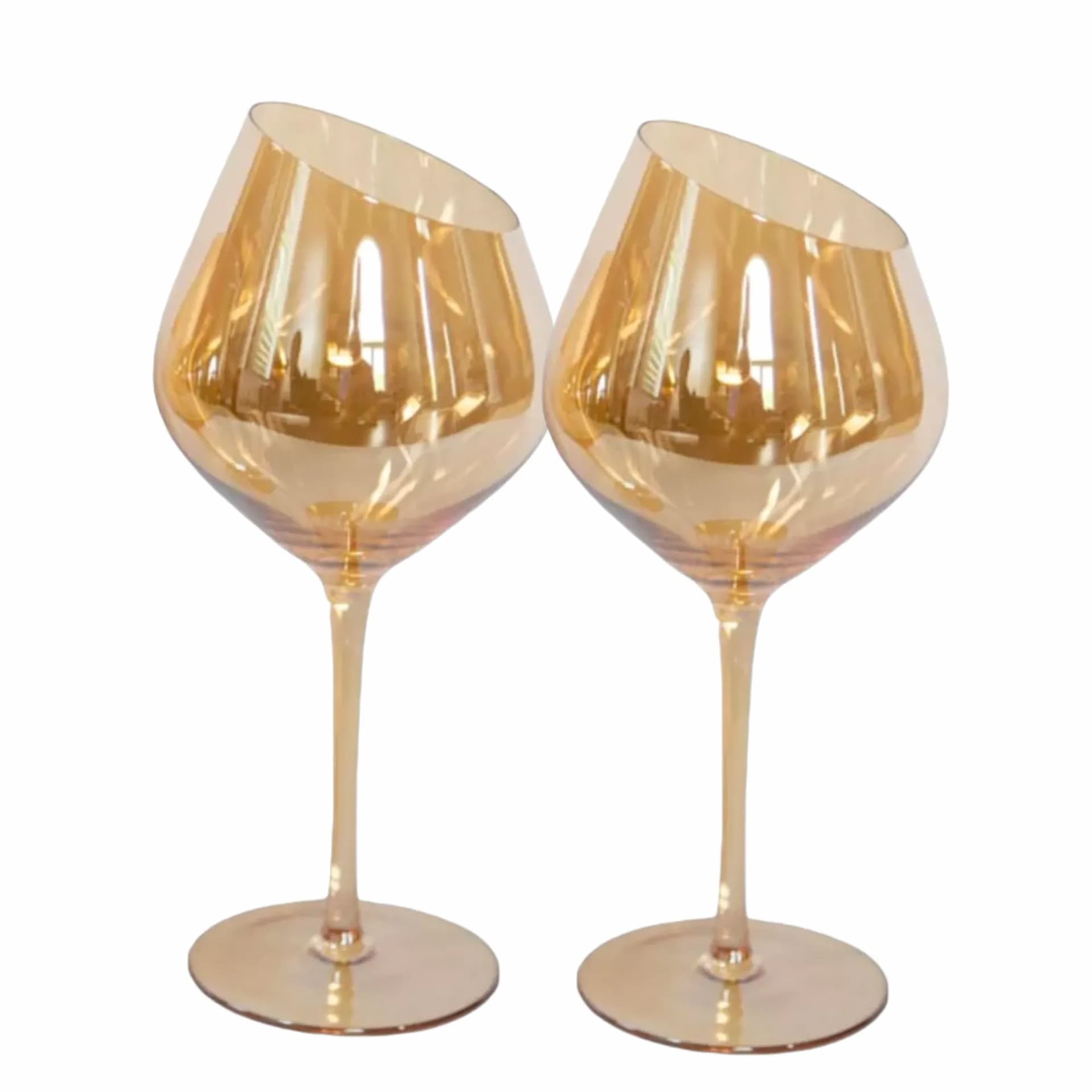
Many modern lead-free crystal glasses, including Luxrify's stemware like the iridescent crystal wine glasses, are designed to withstand gentle dishwasher cycles. If you prefer the convenience of a dishwasher, follow these guidelines to protect your glasses.
Dishwasher Best Practices
Use the gentle or delicate cycle. High-temperature wash and dry cycles are the enemy of crystal. The intense heat can cause cloudiness over time and increases the risk of thermal shock.
Secure each glass. Ensure every glass is firmly held in the rack and cannot shift, rattle, or touch another glass during the cycle. Contact between glasses during the agitation of a wash cycle is a primary cause of chipping.
Skip the heated dry. Turn off the heated dry function and allow glasses to air dry in the dishwasher with the door slightly open. Then polish with a lint-free cloth before putting them away.
Use less detergent. Dishwasher detergent is highly concentrated and alkaline. Use less than the recommended amount for a full load, or choose a detergent specifically formulated for delicate glassware.
Avoid rinse aid buildup. While rinse aid helps prevent water spots on dishes, excessive use can leave a film on crystal. Use sparingly or skip it entirely and hand-polish after the cycle.
Removing Stubborn Stains and Cloudiness
Over time, crystal can develop a cloudy appearance. Understanding the cause helps you choose the right remedy.
Water Spots and Mineral Deposits
If your water is hard, mineral deposits can build up on crystal surfaces. To remove them, soak the glass in a solution of equal parts white vinegar and warm water for 15 to 30 minutes. The acidity of the vinegar dissolves mineral deposits without damaging the crystal. Rinse thoroughly and dry with a lint-free cloth.
Wine Stains
Red wine can leave a faint purplish tint inside the bowl, especially if wine sat in the glass for an extended period. Fill the glass with warm water and add a denture cleaning tablet, or make a paste of baking soda and water. Let it sit for an hour, then gently scrub with a soft sponge and rinse.
Permanent Etching
If cloudiness does not respond to vinegar or cleaning solutions, the surface may be etched. Etching is microscopic pitting caused by alkaline dishwasher detergent, extremely hot water, or abrasive cleaning. Unfortunately, etching is permanent. This is the strongest argument for hand washing fine crystal.
Storage Best Practices
How you store your crystal between uses has a significant impact on its longevity.
Upright Storage
Always store crystal glasses upright, resting on their bases. Storing glasses inverted on their rims puts weight on the thinnest, most delicate part of the glass and can lead to chipping or distortion over time. The rim is engineered to be as thin as possible for the best drinking experience, not to bear the weight of the glass.
Spacing
Leave space between glasses so they do not touch. Crystal that vibrates against other crystal or hard surfaces during the micro-movements of daily life in a home, from closing cabinets to walking past, will eventually develop chips.
Enclosed Cabinets
A closed cabinet protects crystal from dust, kitchen grease, and airborne particles that settle on surfaces over time. If you display crystal on open shelving, plan to wash and polish it before each use.
Avoid Extreme Environments
Do not store crystal near heat sources like ovens or dishwashers, or in areas with rapid temperature fluctuations. Consistent, moderate temperatures are ideal.
Common Mistakes to Avoid
Twisting the Stem
When washing or drying, never grip the base in one hand and twist the bowl with the other. This motion concentrates force on the stem, which is the narrowest and weakest structural point. Instead, support the bowl directly.
Using Harsh Chemicals
Bleach, ammonia, and abrasive cleaners have no place near crystal. They can etch the surface, strip decorative finishes, and leave chemical residues that affect the taste and aroma of wine.
Stacking Glasses
Never stack crystal glasses inside one another. The friction between nested glasses causes scratches, and the pressure can crack bowls. Each glass should have its own space.
Letting Wine Dry in the Glass
After a dinner party, it is tempting to leave the glasses until morning. Resist this urge. Wine, especially red wine, becomes much harder to remove once it dries. A quick rinse with warm water immediately after use, even if you wash properly later, prevents staining.
Overcrowding the Dishwasher
If you do use a dishwasher, never crowd crystal in with pots, pans, and regular dishes. The turbulence and weight of heavier items create a dangerous environment for delicate stemware.
Restoring Brilliance to Older Crystal
If you have inherited or purchased vintage crystal that has lost its shine, a thorough cleaning regimen can often restore much of its original beauty.
Soak the glasses in warm water with white vinegar for several hours. Follow with a gentle hand wash using mild soap. Steam polish each glass and inspect the results. Repeat the vinegar soak if necessary. For persistent cloudiness, a commercial crystal cleaning solution may help, but test it on a less visible area first.
A Simple Daily Routine
The best crystal care is not complicated. It comes down to a few consistent habits.
Wash each glass gently after every use. Dry immediately with a lint-free cloth. Store upright with adequate spacing. That is genuinely all it takes to keep your Luxrify crystal glasses looking as brilliant as the day they arrived.
Crystal glassware rewards the small effort of proper care with a lifetime of beauty and performance. Treat it well, and every pour will be as luminous as the first.
Shop Luxrify Crystal Glassware
Discover our full collection of handcrafted crystal glasses:
- Wine Glasses -- Iridescent & amber crystal stemware
- Whiskey Glasses -- Designer crystal tumblers & decanters
- Champagne Flutes -- Crystal flutes for every celebration
- Shop All
Free shipping on all orders. Sets of 2, 4, 6, 8 & 12 available.